
By the Angel On Wheels Editorial Team. This guide offers general roadside safety information. Always follow instructions from emergency responders and your vehicle manufacturer.
A highway breakdown is stressful, and the first few minutes matter most. Your safety comes first. Fixing the car comes later. Drivers in Fishers and across the Indianapolis area can face trouble on a daily commute or a long interstate trip. This guide covers how to stop safely, how to spot common problems, and who to call. It also explains how emergency roadside assistance in Indiana works, so you can make calm, clear decisions during an Indiana highway breakdown.
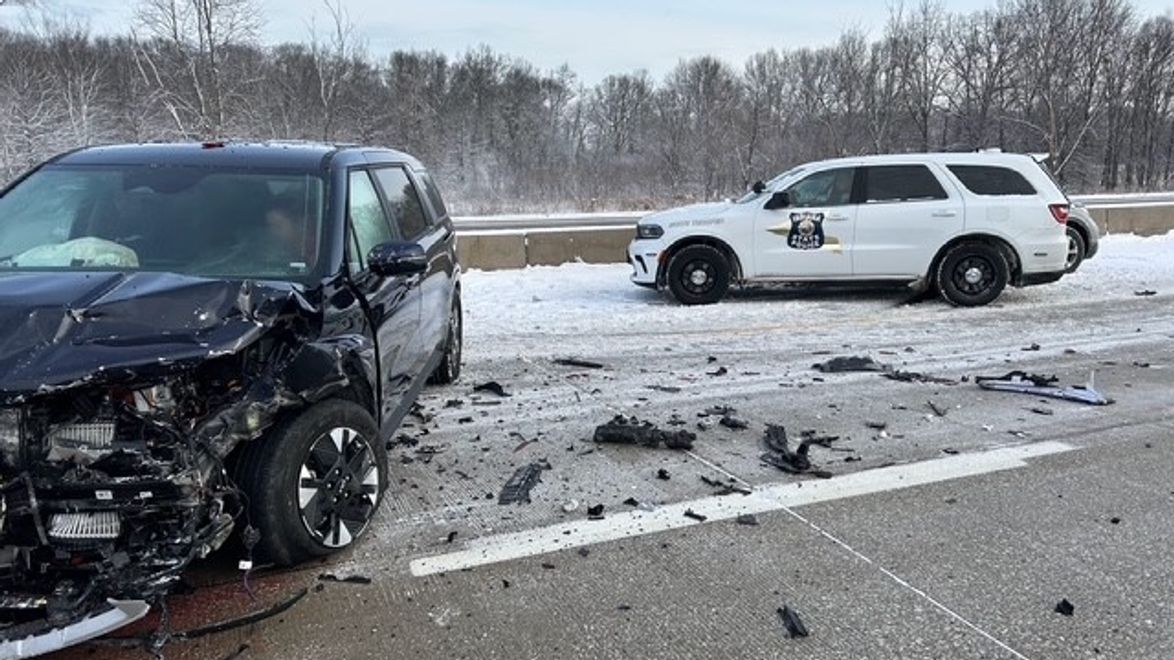
1. Stay Calm and Move Your Vehicle to a Safe Location
Sudden braking or abrupt lane changes can cause a second, more dangerous problem. Take a breath, grip the wheel, and slow down gradually. Check whether the vehicle can still move safely. If it can, steer it away from active traffic.
Signal and Move Toward the Nearest Safe Shoulder
Use your turn signal, ease off the accelerator, and move toward the right shoulder when it is safe. If an exit or parking area is close, that may be even better. Imagine your engine stumbles on I-69 near Fishers. Coasting to the shoulder or the next exit beats stopping in a travel lane. Never cross several lanes in a hurry, and never try to push a disabled vehicle.
What If Your Vehicle Cannot Reach the Shoulder?
If the car stops in an active lane, turn on your hazard lights and keep your seat belt fastened if you cannot exit safely. Call 911 right away, because the vehicle is an immediate traffic danger. Do not try to push it across moving traffic.
2. Turn On Hazard Lights and Make Your Vehicle Visible
Hazard lights warn approaching drivers that your vehicle is stopped or in trouble. Turn them on as soon as you know something is wrong, and leave them on. Visibility matters most in:
- Nighttime driving
- Heavy rain
- Fog
- Winter weather
- Dense, fast highway traffic
Hazard lights help, but they do not make a stopped vehicle safe on their own. Stay alert to what is happening around you.
Use Reflective Warning Equipment When Safe
Reflective triangles and similar gear can give other drivers more notice. Only place them if you can do so without stepping into a live traffic lane. If you cannot reach a safe spot to set them down, skip this step. No single placement distance fits every Indiana highway situation.
3. Keep Yourself and Your Passengers Away From Traffic
One of the biggest decisions is whether to stay in the vehicle or leave it. The answer depends on where you stopped, how close traffic is, whether there is a safe area to walk to, and whether a barrier is nearby. Whatever you choose, never stand directly behind or in front of a disabled vehicle. Another car may strike it and push it into you.
When Should You Stay Inside Your Vehicle?
Staying inside with seat belts fastened is often safer when stepping out would expose you to moving traffic. Keep children buckled in their seats and avoid unnecessary movement inside or outside the car. Check on older passengers, and keep pets secured so they do not bolt into traffic.
When Is It Safer to Exit the Vehicle?
Exit if the vehicle’s position creates an immediate risk of being hit, or if you see smoke or fire. If there is a safe route away from traffic, move everyone to a protected spot, such as behind a suitable barrier, and call 911. Being on a shoulder is not, by itself, a reason to get out.
4. Identify the Cause of Your Vehicle Breakdown
Once everyone is in a safe position, look for clues about what went wrong. Do not attempt dangerous roadside repairs. Noticing a symptom is not the same as a professional diagnosis. Common causes of a stranded vehicle include:
- Flat or damaged tires
- Dead batteries
- Engine overheating
- Electrical problems
- Unexpected engine shutdown
The details you notice will also help when you describe the problem to a roadside provider.
Flat Tire or Sudden Tire Failure
Warning signs include unusual vibration, a sudden loss of pressure, changes in steering, and loud tire noise. Do not keep driving on a damaged tire. Once the vehicle is safely positioned, a professional can help. Angel On Wheels offers a tire change service in Fishers for drivers who need help getting back on the road.
Dead Battery or Starting Problems
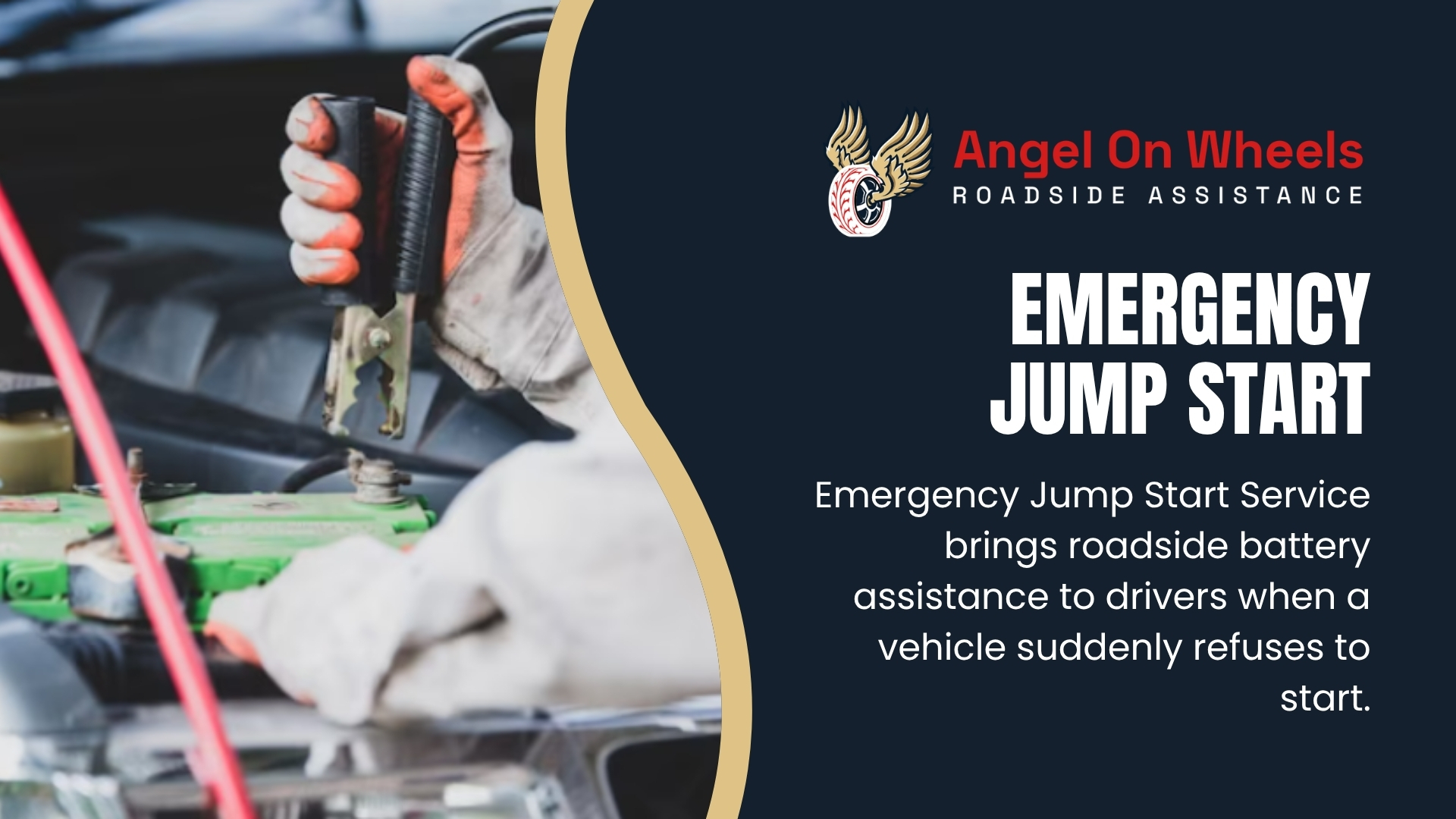
Common symptoms include clicking when you turn the key, dim dashboard lights, slow cranking, or no response at all. These signs often point to a battery issue, but other causes are possible. Battery testing or a professional jump-start may solve the problem. Angel On Wheels provides a car battery service in Fishers and a professional jump-start service. A jump-start can help with a discharged battery, but it will not fix every no-start problem.
Engine Overheating or Other Mechanical Problems
Watch for a temperature warning light, steam from under the hood, or unusual engine noises. Stop safely and switch off the engine when appropriate. Never open a hot radiator cap or touch hot engine parts. Serious mechanical trouble may need a professional diagnosis or towing rather than a simple roadside fix.
5. Know When to Call 911 or Highway Assistance in Indiana
Not every breakdown is an emergency, but some are. Knowing who to call saves time. There are three main options: 911 for emergencies, INDOT’s Hoosier Helpers in covered areas, and a private roadside assistance provider for services like tire and battery help. Indiana-specific details matter here, because patrol coverage is limited.
When Should You Call 911?
Call 911 if:
- Your vehicle is stopped in a live traffic lane
- There has been a collision or injury
- You see fire or heavy smoke
- You suspect a fuel leak
- You or your passengers face immediate danger
Personal safety always comes before calling a commercial roadside provider.
How Indiana’s Hoosier Helpers Can Assist Stranded Drivers
Hoosier Helpers is INDOT’s free safety patrol for stranded motorists. It operates in selected interstate areas, including parts of I-465, I-70, I-65, I-69, and I-74, and all of I-865 in central Indiana. It is not statewide. INDOT’s general hours are Monday through Friday, 5:30 AM to 8 PM, and Saturday and Sunday, 7 AM to 8 PM, with extra hours possible during winter storms. To request help, call 1-855-INDOT4U (855-463-6848). Check INDOT’s official Hoosier Helpers page for current coverage and hours. Because the program has limited hours and coverage, it does not replace a private roadside provider.
On the Indiana Toll Road, officials advise moving to the shoulder, turning on hazard lights, raising the hood to signal distress, and calling 911 if you need help. Do not walk along the roadway or try to flag down passing vehicles.
6. Contact Professional Roadside Assistance for Your Vehicle
If your vehicle is safely positioned but cannot continue, a professional roadside provider may be able to solve the problem on the spot. That can save you from arranging a separate repair right away. Angel On Wheels provides roadside assistance for drivers in Fishers and surrounding Indianapolis communities. Its services include tire changes, battery services, jump-starts, and car unlocking. Its website advertises 24/7 roadside assistance for emergency car breakdown assistance, so if you search for roadside help near me, confirm current availability for your location when you call.
Need Help With a Flat Tire or Dead Battery? If your vehicle is safely positioned but cannot continue its journey, professional roadside assistance may help. Angel On Wheels provides tire changes, battery services, and jump-start assistance for drivers in Fishers and surrounding communities. Explore Roadside Services
What Information Should You Give the Roadside Assistance Provider?
Accurate details help dispatchers find you faster and send the right help. Have this ready:
- Your exact location or GPS coordinates
- The highway or interstate number
- Your direction of travel
- The nearest exit or mile marker
- Your vehicle’s make, model, and color
- A description of the problem
- The number of passengers
- Any immediate safety concerns
Which Roadside Assistance Service Might You Need?
| Vehicle problem | Potential service |
| Flat tire | Tire change or tire replacement |
| Dead battery | Battery jump-start |
| Failing battery | Battery testing or replacement |
| Vehicle locked out | Car unlocking assistance |
A technician may need to assess the situation before deciding which service is right. Roadside help is not the same as mechanical repair or towing.
7. Why Local Roadside Assistance Matters for Fishers and Nearby Drivers
Breakdowns tend to happen at inconvenient moments, such as on a morning commute, a shopping trip, or a drive toward Indianapolis, Carmel, or Noblesville. Knowing which provider serves your area before trouble starts makes the moment easier to manage. Save a local number in your phone now, and confirm service area and availability when you call. Response times and coverage can vary by location and conditions.
Roadside Services Available Through Angel On Wheels
Angel On Wheels offers tire changes, battery services, jump-start assistance, and car unlocking. You can reach the team at (317) 900-6673. Please confirm current service area, hours, and dispatch availability when you call.
8. Prepare for Future Highway Breakdowns in Indiana
A little preparation makes a future roadside emergency easier. Before a trip, especially as Indiana’s seasons change:
- Check tire pressure and tire condition
- Inspect your battery
- Keep enough fuel for the journey
- Carry a charged phone
- Keep an emergency kit in the car
- Save your roadside assistance contact details
- Check weather and road conditions before long trips
What to Keep in Your Vehicle Emergency Kit
- Phone charger or power bank
- Flashlight
- Reflective vest
- First-aid kit
- Drinking water
- Reflective warning triangles
- A blanket for cold weather
Store these items where you can reach them safely.
Conclusion: Stay Safe and Get the Right Roadside Help
When your vehicle breaks down, move away from traffic when it is safe, use your hazard lights, and protect your passengers. Do not attempt risky repairs on a highway. Then contact the right help: 911 for danger, Hoosier Helpers where available, and a roadside provider for tire and battery problems. For emergency roadside assistance in Indiana, drivers in Fishers and nearby communities can contact Angel On Wheels to discuss the roadside service their situation needs.
Get Roadside Assistance When Your Vehicle Needs Attention. Unexpected vehicle trouble can disrupt your journey. If you are in Fishers or a nearby service area and need tire or battery assistance, contact Angel On Wheels to discuss the available roadside service for your situation. Call Angel On Wheels: (317) 900-6673
Frequently Asked Questions
What should you do first when your car breaks down on an Indiana highway?
Stay calm, signal, and move to a safe place away from traffic if you can. Then turn on your hazard lights and check on your passengers before calling for help.
Should you stay inside your vehicle if it breaks down on the highway?
Often yes, with seat belts fastened, if the car is fully off the road and there is no immediate danger. If the car is in a dangerous spot, exit to a protected area only if it is safe.
Who should you call when your car breaks down on an Indiana interstate?
Call 911 for immediate danger. Call INDOT Hoosier Helpers in covered patrol areas. Use a private roadside provider for services like tire changes and battery help.
Can roadside assistance change a flat tire on the highway?
Often, when the vehicle is in a safe place to work. The technician will assess the location and equipment before starting.
What should you do if your car battery dies while driving?
Guide the car to a safe place if you can. Turn on hazard lights, avoid repeated start attempts, and request help once you are safe.
How can you find your location when stranded on an Indiana highway?
Use your phone’s GPS or a navigation app, plus highway signs, exit numbers, and mile markers. Share these with 911 or your dispatcher.
Is roadside assistance available 24 hours a day in Indiana?
It depends on the provider and area. Angel On Wheels advertises 24/7 roadside assistance, but confirm current dispatch availability for your location when you call.
What information should you provide when requesting emergency roadside assistance?
Give the highway number, direction, nearest exit or mile marker, GPS location, vehicle description, and the problem. Mention any safety concerns right away.